
KNOW THE HOME. PLAN YOUR NEXT STEP.
Should You Add a Sewer Scope Inspection Before Buying?
Understand what a sewer camera inspection can show, how access affects the scope, and when findings need a plumber’s evaluation before buying a home.
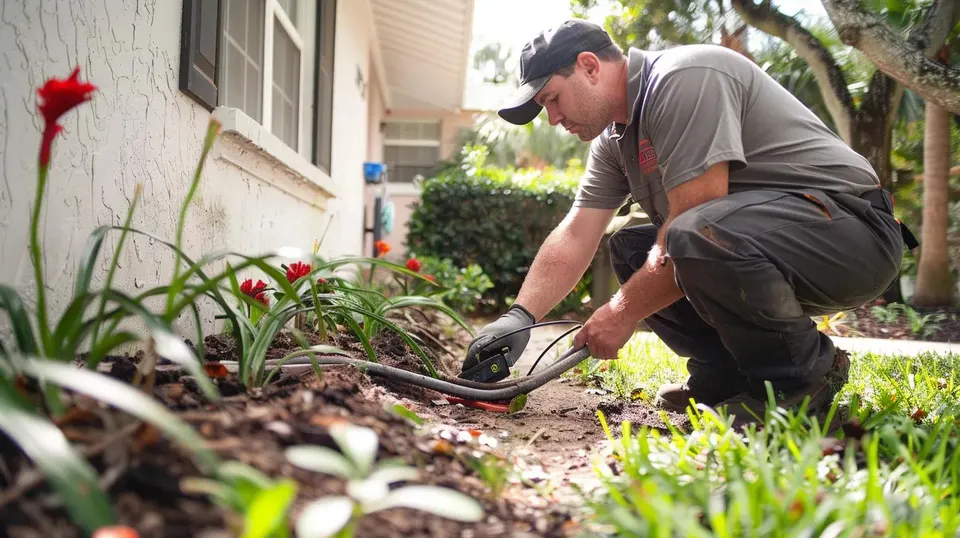
A house can look inviting while leaving questions about the sewer line outside ordinary view. A Sewer Scope Inspection uses a camera to examine accessible sections of the line and document what is visible during the evaluation.
It is an additional service to discuss around the property’s history, access and your concerns. It is not automatically necessary or included for every purchase.
How is a sewer scope different from a home inspection?
A Pre-Purchase Inspection examines visible, accessible home components, including plumbing within its scope. That does not mean a camera has traveled through the buried sewer line. Confirm a sewer scope separately if you want that evaluation.
A camera view can show visible conditions such as material in the line, roots, apparent damage or areas where further assessment is warranted. The useful result is a record of what was observed, where access ended and which questions remain.
Which property questions make a scope worth discussing?
- Has the seller reported recurring backups, slow drainage or past sewer repairs?
- Are records available for the line’s material, route or replacement?
- Is there an accessible cleanout suitable for the evaluation?
- Is part of the property’s plumbing history unknown?
- Will you have time for a plumber’s follow-up before your inspection deadline?
Age or pipe material alone does not establish a failure. Share the history you know and ask the team what a scope can reasonably evaluate at this property.
What are the limitations?
Access points, pipe layout, blockage, standing water and camera visibility can limit the evaluation. A camera cannot establish every concealed condition around a pipe or guarantee that the entire line has been inspected. Ask what length and sections were reached and whether any portion could not be viewed.
Do not assume leak-pressure testing, excavation, precise utility locating or a repair design is included. Those tasks require a separately confirmed scope and qualified provider. A sewer scope is also not a septic-system inspection.
What should I do with a finding?
- Ask for an explanation of the observed condition and any access limitations.
- Have a qualified plumber evaluate findings that need diagnosis or repair advice.
- Request a written estimate based on the actual property and proposed work.
- Discuss your options with your agent before the applicable purchase deadline.
The report does not determine ownership of a line, permit compliance, insurance coverage or a seller’s obligation to pay. Confirm those separate questions with the relevant authority or professional.
How do I arrange it?
Provide the address, known drainage history, available access information and deadline. Ask how findings will be documented, when they will be available and what your quote includes. Leave time for specialist follow-up where recommended.
Explore Sewer Scope Inspection or plan your inspection appointment.
Editorial review: September 12, 2026