
KNOW THE HOME. PLAN YOUR NEXT STEP.
Wind Mitigation Inspections and Potential Insurance Credits
Learn how a wind mitigation report documents home features for insurer review, and why credits, upgrade costs and grant eligibility require separate confirmation.
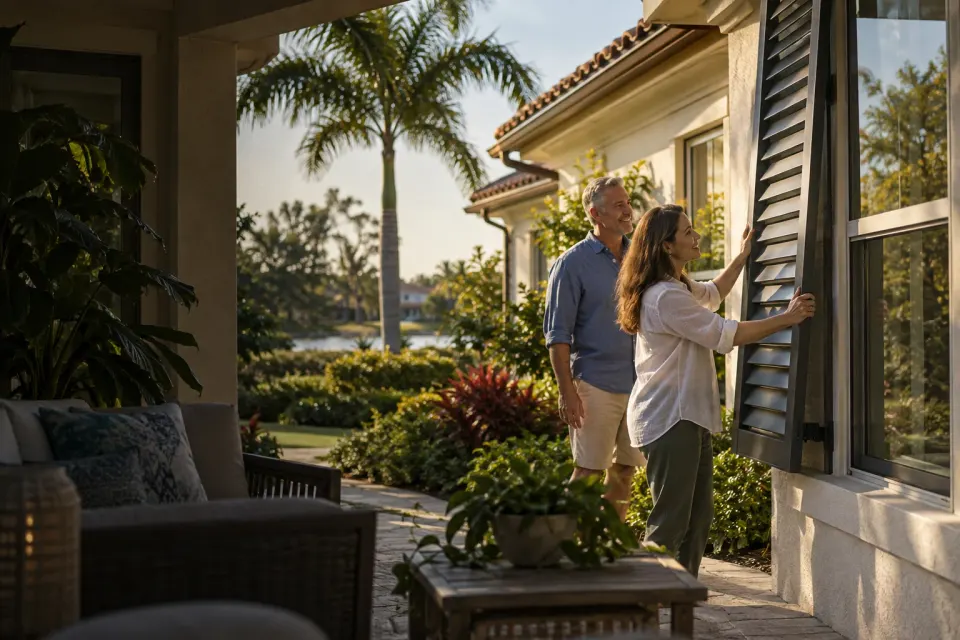
Your home may have wind-resistant features that are useful to document for your insurance agent. A Wind Mitigation Inspection records features that can be verified so the insurer can evaluate applicable credits.
The inspection itself does not improve the building or guarantee a lower premium. The value of the report is clear documentation of the home as inspected, including any features that could not be verified.
Which features can matter?
The inspection form addresses relevant construction features such as roof covering, roof-deck attachment, roof-to-wall attachment, secondary water resistance and opening protection. Accessible observations and supporting records help establish what can be documented.
Keep roof permits, installation paperwork and window or shutter documentation together. Having a product installed does not by itself prove that every applicable requirement has been met. An inspector may need specific records or access to verify a feature.
How do I ask my insurer about credits?
- Ask your insurance agent which documentation is needed for this property and policy.
- Arrange the inspection and provide available installation records.
- Review the report and clarify any unverified features or limitations.
- Send it to your insurance agent and request the carrier’s written explanation of any applicable credits.
The amount and timing of any premium change depend on the policy, verified features and insurer review. A report does not guarantee coverage, a particular dollar saving or that the inspection fee will pay for itself. A quoted wind-related credit also should not be assumed to apply to every part of the premium.
Should I upgrade the home to obtain a credit?
Begin with the home’s condition and your goals. Ask qualified contractors about suitable work, permits, installation and costs. Separately ask the insurance agent how the proposed improvement could affect the policy. Compare a written project estimate with the carrier’s explanation; avoid using a generic savings percentage to justify a purchase.
After completed work, ask whether updated inspection documentation is needed. A mitigation report is not a guarantee of storm performance, a substitute for a maintenance plan or proof of a higher resale price.
Is My Safe Florida Home the same as a private inspection?
No. My Safe Florida Home has its own eligibility, application, inspection and grant process. Check the program’s current instructions before arranging work or assuming reimbursement. A private DAMNGOOD report does not establish program eligibility or guarantee funding.
Use the official My Safe Florida Home website for current program steps, and the Florida Office of Insurance Regulation’s resources for mitigation information and the current form.
What should I prepare for the appointment?
Share the address, property details, available records and any insurer deadline. Coordinate safe access to relevant areas; do not enter an attic or climb onto a roof to gather information yourself. Confirm the scope, fee and delivery schedule with the team.
Explore Wind Mitigation Inspection and review the published price guide. For a policy-specific credit question, speak with your insurance agent.
Editorial review: September 12, 2026