
KNOW THE HOME. PLAN YOUR NEXT STEP.
Tips for Choosing Swimming Pool Leak Detection Services
Need help with swimming pool leak detection? Find effective tips to choose the right services near you and keep your pool in perfect shape!
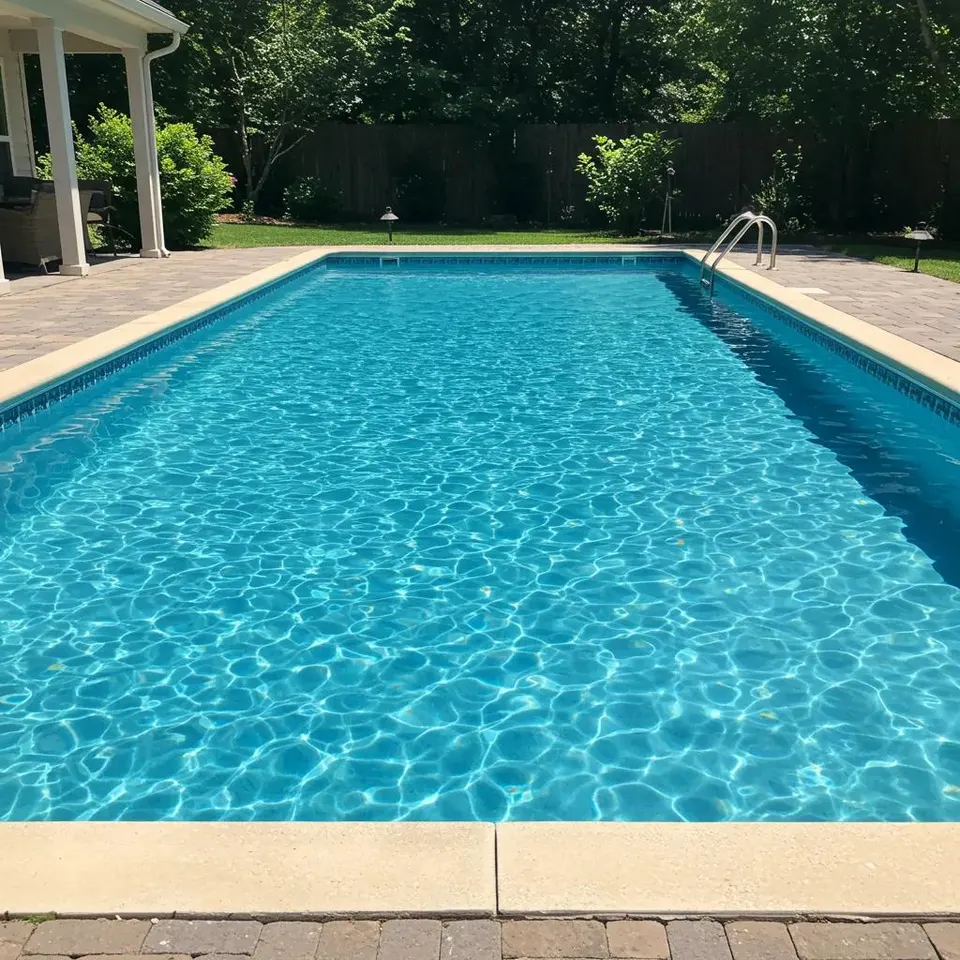
Article Recap: Your Guide to Pool Leak Detection
Swimming pool leaks are unseen problems that can rapidly increase water bills, damage landscaping, and undermine pool structure. Early, accurate detection prevents escalating repair costs and protects property value. This guide provides a stepwise approach to understanding, detecting, and repairing pool leaks, ensuring you find reliable “swimming pool leak detection near me” services and protect your investment. You’ll learn about:
- Understanding Leaks: Why early diagnosis is crucial.
- Spotting the Signs: Common indicators of a leak.
- DIY Checks: Simple tests like the bucket test and dye testing.
- Professional Solutions: Advanced detection methods.
- Choosing a Pro: Advice on selecting a qualified professional.
- Repair Options & Costs: Typical repair methods and associated costs.
- Prevention & Monitoring: Practices and technology to prevent future leaks.
What Are the Common Signs of a Swimming Pool Leak to Watch For?
Recognizing the signs of a pool leak speeds diagnosis and reduces damage. While rapid water level drop is the primary indicator, secondary clues include wet ground, air in return lines, and unusually high water bills. Visible evidence like cracks or damaged liners also helps narrow down potential sources. Documenting these signs provides valuable information for professional detection.
- Rapid, unexplained drop in pool water level (over 0.25–0.5 inches per day).
- Wet or saturated soil around the pool deck, suggesting underground plumbing issues.
- Air in pump lines or noisy pump operation, indicating a suction-side leak.
- Visible cracks, loose tiles, or deterioration of vinyl liner material.
- Unusually high water bills or frequent refilling not explained by use or evaporation.
Combinations of these signs often point to plumbing or structural problems. Observing and recording these clues prepares you for DIY checks and gives technicians a stronger starting point.
Rapid Water Level Drop: A Key Indicator
A rapid water level decline means the pool is losing water faster than normal evaporation. To measure, mark a fixed reference and record the level daily; losses over 0.25–0.5 inches per day in calm conditions typically indicate a leak. Comparing this to a bucket test (detailed later) helps differentiate evaporation from leakage. Persistent loss suggests a shell crack, skimmer leak, or underground plumbing failure.
Other Signs: Wet Spots and High Water Bills
Wet, boggy soil around the pool often signals subterranean leaks from return or suction lines. Unexplained increases in water consumption on utility bills also point to unseen losses. Frequent chemical imbalance or accelerated filter backwashing can also reflect dilution from continuous make-up water. These external signs, especially when combined with visible pool defects, help narrow the likely repair category and guide diagnostic choices.
How Can You Find a Pool Leak Yourself? Step-by-Step DIY Detection Methods
DIY tests can confirm water loss beyond evaporation and localize obvious leaks, saving professional diagnostic time and cost. The two most reliable methods are the bucket test and dye testing. Always shut off power to equipment when inspecting plumbing or electrical components.
The Bucket Test: Differentiating Evaporation from Leaks
The bucket test quantifies evaporation against pool loss. Place a 5-gallon bucket on a pool step, filling it to match the pool’s waterline. Mark both the bucket interior and pool tile. After 24-48 hours, if the pool level falls more than the bucket level, a leak is likely. This provides clear evidence for professionals. Limitations include wind and sun, which can skew results.
Dye Testing: Identifying Visible Cracks and Fittings Leaks
Dye testing uses a concentrated tracer to reveal suction towards a leak, ideal for visible cracks, skimmer connections, or liner separations. Turn off circulation, then gently introduce non-staining pool dye near a suspected area. If the dye is pulled into a crack or fitting, it indicates a leak. This method is excellent for surface and immediate-fitting detection but rarely locates deep pipe leaks. Document any findings for your technician.
What Professional Pool Leak Detection Services Are Available Near Me?
Professional pool leak detection services deploy specialized methods like acoustic detection, pressure testing, electronic leak detection, and thermal imaging to locate leaks. A typical visit includes visual inspection, noninvasive diagnostics, targeted isolation tests, and a written report with repair recommendations. Different methods suit different leak types, with acoustic tools for underground pipes, pressure testing for specific plumbing sections, and thermal imaging or scuba inspection for shell or liner failures.
| Detection Method | Characteristic | Typical Use Case |
|---|---|---|
| Acoustic / Ultrasonic Detection | Noninvasive, listens for escaping water. | Best for underground pressurized plumbing. |
| Pressure Testing | Isolates plumbing sections under controlled pressure. | Required for buried suction/return pipes. |
| Electronic Leak Detection | Conductivity-based, locates leaks near liners or fittings. | Effective for vinyl liner pinholes and near-surface leaks. |
| Thermal Imaging | Detects temperature differences from escaping water. | Useful around shell cracks with thermal contrast. |
Acoustic and Ultrasonic Leak Detection
These technologies convert sound from escaping pressurized water into analyzable signals, allowing technicians to triangulate leak locations. Sensors are moved along pipe runs and around the pool shell. This method is noninvasive, reducing excavation, but can be sensitive to ambient noise and pipe depth. It’s often combined with other diagnostics for confirmation.
Pressure Testing and Electronic Leak Detection
DAMNGOOD documents observations within the agreed inspection scope and explains recommended follow-up. Confirm the service, access, provider, included documentation and delivery schedule for your property before booking. Any additional testing or specialist work needs its own confirmed scope.
How to Choose the Right Swimming Pool Leak Detection Professional?
Selecting a qualified professional requires checking for specialized training, liability insurance, modern diagnostic equipment, transparent written estimates, and a warranty on diagnostics and repairs. Request references and before/after reports. Quality equipment, such as modern acoustic arrays and calibrated pressure testers, increases accuracy and reduces unnecessary repairs. A careful selection process protects you from superficial diagnostics and ensures actionable documentation.
For an inspection, review the published price guide and request a property-specific quote. For repairs or specialist work, obtain a written scope and estimate from the appropriate qualified professional.
When interviewing candidates, ask about their diagnostic methods for your pool type, request an itemized estimate, and inquire about written guarantees for leak location accuracy and repair warranties. A refusal to itemize or describe equipment is a red flag.
Qualifications, Certifications, and Experience
Look for specialized leak-detection training, experience across various pool types, and the ability to provide references and diagnostic reports. Membership in industry associations and verified insurance coverage (liability and worker’s comp) are also important. Before-and-after documentation helps verify the work and supports warranty or insurance claims.
Equipment Quality, Warranty, and Transparent Pricing
Equipment quality ensures accurate diagnosis, reducing invasive excavation. Transparent pricing should clearly itemize diagnostic fees, labor, materials, and potential excavation costs for objective comparison. Warranties on both diagnosis and repair provide accountability, with any guarantee or repair warranty specified separately in the provider’s written agreement. Always request line-itemed quotes and written warranty language.
What Are the Typical Swimming Pool Leak Repair Options and Their Costs?
Repairing Cracks, Plumbing, and Equipment Leaks
Concrete shell cracks require cleaning, structural patching (e.g., hydraulic cement or epoxy injection), and curing. Buried plumbing leaks are addressed by excavation and pipe replacement/splicing, or noninvasive methods like pipe lining. Skimmer and main drain leaks often involve gasket replacement or assembly replacement. Post-repair, technicians typically pressure-test and document outcomes. Maintenance recommendations include monitoring water level and chemical balance.
Factors Affecting Cost
Costs are influenced by leak complexity (e.g., underground vs. visible), excavation accessibility, materials, labor rates, and permits. Diagnostic costs (acoustic scans, pressure testing) are separate. Warranty and aftercare services add value. Prioritize diagnostic detail and warranty over the lowest price to avoid recurring issues. Request a detailed scope and verification methods to compare value.
How Can You Prevent Future Pool Leaks with Maintenance and Smart Technology?
Preventing future leaks involves routine maintenance and strategic monitoring. Regular tasks like seasonal winterization, chemical balance monitoring, and visual inspections preserve materials and reduce stress. Smart pool monitoring and IoT sensors continuously track water level, flow rates, and pump performance, alerting you to anomalies. This approach offers a cost-effective ROI through reduced water waste, fewer emergency repairs, and extended equipment life.
- Regularly monitor and record water level to spot gradual losses.
- Maintain chemical balance to prevent material degradation.
- Inspect equipment pads, valves, skimmer faces, and visible plumbing monthly.
- Winterize properly in cold climates to avoid freeze damage.
Routine Maintenance for Leak Prevention
A consistent maintenance calendar prevents many common leak causes. Monthly, check water levels, inspect tile/coping and liner seams, clean skimmer/pump baskets, and check visible plumbing. Seasonally, ensure proper winterization, replace worn gaskets, and service pumps/filters. Maintaining chemical balance is crucial to prevent material deterioration.
Smart Pool Monitoring and IoT Sensors
Smart sensors detect leaks by continuously monitoring water level, flow rates, and pump runtime, issuing alerts for anomalies via mobile apps. These systems reduce false positives by correlating multiple signals. The ROI stems from avoided water waste, lower emergency repair costs, and earlier detection, limiting structural impacts. Consider IoT monitoring for high-risk pools or vulnerable plumbing.
1. What should I do if I suspect a pool leak?
Observe water levels, check for wet spots, and perform a bucket test. If water loss exceeds evaporation, contact a professional leak detection service for accurate diagnosis.
2. How often should I perform maintenance checks on my pool?
Perform regular maintenance checks at least monthly, including water level monitoring, surface inspection, and equipment checks. Seasonal checks, especially before winter, are also crucial.
3. How do I choose the right leak detection professional?
Look for specialized training, insurance, modern equipment, transparent pricing, and a warranty on diagnostics and repairs. Request references and itemized estimates.
4. What factors influence the cost of pool leak detection and repair?
Costs vary based on leak complexity, pool type, detection methods, accessibility (e.g., excavation needs), materials, and regional labor rates. Always request a detailed, itemized estimate.
Conclusion
Choosing the right professional for swimming pool leak detection ensures accurate diagnosis and effective repairs, safeguarding your investment and enhancing property value. This guide, brought to you by Fred Rodrigues, Certified Master Inspector and founder of Damngood Inspection, emphasizes understanding leak signs and utilizing both DIY and professional methods to prevent costly damages. Ask Damngood which pool features are included in your property’s inspection quote. A basic visual pool review is different from dedicated leak detection, and detection scope and repairs are separate. Take proactive steps now to protect your pool and enjoy lasting peace of mind.