
KNOW THE HOME. PLAN YOUR NEXT STEP.
How to Discover Reliable Home Inspectors Near Me: Your Guide
Looking for reliable home inspectors near you? This guide helps find certified inspectors who ensure your home is safe and sound. Get started today!
Article Recap & Author Insight
DAMNGOOD documents observations within the agreed inspection scope and explains recommended follow-up. Confirm the service, access, provider, included documentation and delivery schedule for your property before booking. Any additional testing or specialist work needs its own confirmed scope.
Ask what the report explains, how findings are documented, what the agreed scope excludes and when the report will be delivered. Compare written service details and your property quote before choosing.
What Does a Reliable Home Inspector Do? Understanding Their Role and Services
A reliable home inspector systematically evaluates a property’s major systems—roofs, foundations, electrical, plumbing, HVAC, and major appliances—to identify safety hazards, structural concerns, and components nearing end of life. They provide clear, evidence-based findings for purchase decisions and maintenance plans, documenting observable defects, prioritizing urgency, and recommending specialist evaluations when needed. Inspectors explain results in plain language but do not certify code compliance or guarantee future system performance. Understanding these limits is crucial before scheduling specialized testing.
What Are the Key Responsibilities of a Home Inspector?
Core duties include visually evaluating structural elements and major systems, documenting defects with photographs, and clearly communicating findings. Inspectors identify safety hazards (e.g., faulty wiring, gas leaks, water intrusion), prioritize issues by urgency, and recommend specialist evaluations when problems exceed a general inspection’s scope. Understanding these responsibilities helps buyers interpret reports and ask informed follow-up questions.
Which Types of Home Inspections Are Available Near Me?
Home inspections include standard pre-purchase, pre-listing for sellers, new-construction, and specialized tests like radon, mold, or sewer scopes. Standard inspections visually cover major systems for most purchases. Pre-listing inspections help sellers address issues proactively. New-construction inspections focus on builder handover items. Specialized inspections are add-ons for environmental concerns or concealed systems, often based on property age, location, or general inspection findings.
How to Verify Home Inspector Qualifications and Certifications
What Certifications Should a Qualified Home Inspector Have?
Qualified inspectors should have national association certifications (requiring coursework, experience, ethics) and state licensing where mandated (often including exams and continuing education). Specialty certificates for radon, mold, thermal imaging, or new-construction indicate additional training. These credentials reveal an inspector’s baseline competency and reliable add-on service capabilities.
| Credential | What it Verifies | Why it Matters |
|---|---|---|
| Association Certification (example: national bodies) | Completion of training, adherence to an inspection standard, ethics commitment | Signals standardized procedures and industry-recognized practices |
| State Licensing | Legal authorization to perform inspections in that state, possibly exam and CE requirements | Mandatory where applicable; ensures minimum technical and legal standards |
| Specialty Certificates (radon, thermal imaging) | Training and competency for specific tests and tools | Indicates ability to perform and interpret specialized diagnostics |
These credential distinctions help you prioritize inspectors who meet both broad and specialized needs; next we’ll cover how to validate these credentials in practice.
Where and How to Find Trusted Home Inspectors Near Me
How to compare and evaluate sources:
- Association directories: Use them to find inspectors who meet standardized education or ethical expectations.
- Marketplaces and platforms: Compare ratings, read multiple detailed reviews, and request sample inspection reports before booking.
- Professional referrals: Ask real estate attorneys or trusted tradespeople for context on an inspector’s thoroughness and local reputation.
How Can Real Estate Agents and Online Reviews Help in Finding Inspectors?
Pre-purchase inspections are vital disclosure mechanisms, empowering buyers to understand property conditions and plan future management, protecting their investment.
What Questions Should You Ask When Hiring a Home Inspector?
Key interview questions to assess inspectors:
- How many home inspections have you completed and what types (single-family, multi-family, new construction)?
- What systems and components are included in your standard inspection, and which items require separate testing?
- Can I see a recent sample inspection report that shows photos, prioritized findings, and recommended next steps?
| Question Topic | Why It Matters | What a Good Answer Sounds Like |
|---|---|---|
| Experience and Volume | Demonstrates pattern recognition and exposure to common defects | “I perform X inspections yearly across single-family and older homes; examples include structural and HVAC issues.” |
| Scope and Exclusions | Clarifies what you will receive and what requires add-ons | “Standard inspection covers roof, foundation, electrical, plumbing, and HVAC; radon/mold/sewer-scope-inspection scopes are available as add-ons.” |
| Report Delivery and Support | Ensures timely, usable documentation and post-inspection clarification | “I deliver a photo-rich report within 24–48 hours and offer a 30-minute follow-up call to review findings.” |
Which Key Questions Reveal an Inspector’s Experience and Inspection Process?
Ask about total inspections completed, property types inspected, and common local defects. Inquire how findings are documented (photos, severity, next steps) and if advanced tools like thermal imaging or drones are used. Ask about report turnaround, follow-up support, and dispute resolution. These questions reveal technical ability, communication style, and client commitment.
How to Evaluate Sample Inspection Reports and Contracts Before Hiring?
Home Buyer and Vendor Behavior: Analysis of Judicial Decisions
The decided cases illustrate that buyers are still indolent in their duty to conduct pre-purchase inspections, some vendors were seen to have actively concealed defects in the property and fraudulently misrepresented the conditions of the properties. This paper suggests consumer education for both the vendors and purchasers and the extension of the jurisdiction of either the Tribunal for Homebuyers Claims or the Tribunal for Consumer Claims to include matters regarding the dispute as to the condition of the property. Home buyers’ and vendors’ behaviours: analysis of judicial decisions, NC Abdullah, 2017
Judicial decisions reveal buyers often neglect pre-purchase inspections while vendors conceal defects, underscoring the need for enhanced consumer education and broader dispute resolution.
What to Expect During the Home Inspection Process Near Me
Confirm the report delivery schedule before booking. Share your inspection, listing or warranty deadline and leave time to ask questions or arrange any recommended specialist evaluation.
How Long Does a Typical Home Inspection Take and What Is Covered?
Inspection duration varies by property size and complexity (e.g., 1–2 hours for a condo, 2–4 hours for a four-bedroom house). Factors like age, access, outbuildings, or specialized systems extend time. Inspectors focus on observable conditions, documenting items needing specialist evaluation. Understanding these factors helps schedule attendance and plan for add-on tests.
How Can Buyers Participate and What Should They Observe During the Inspection?
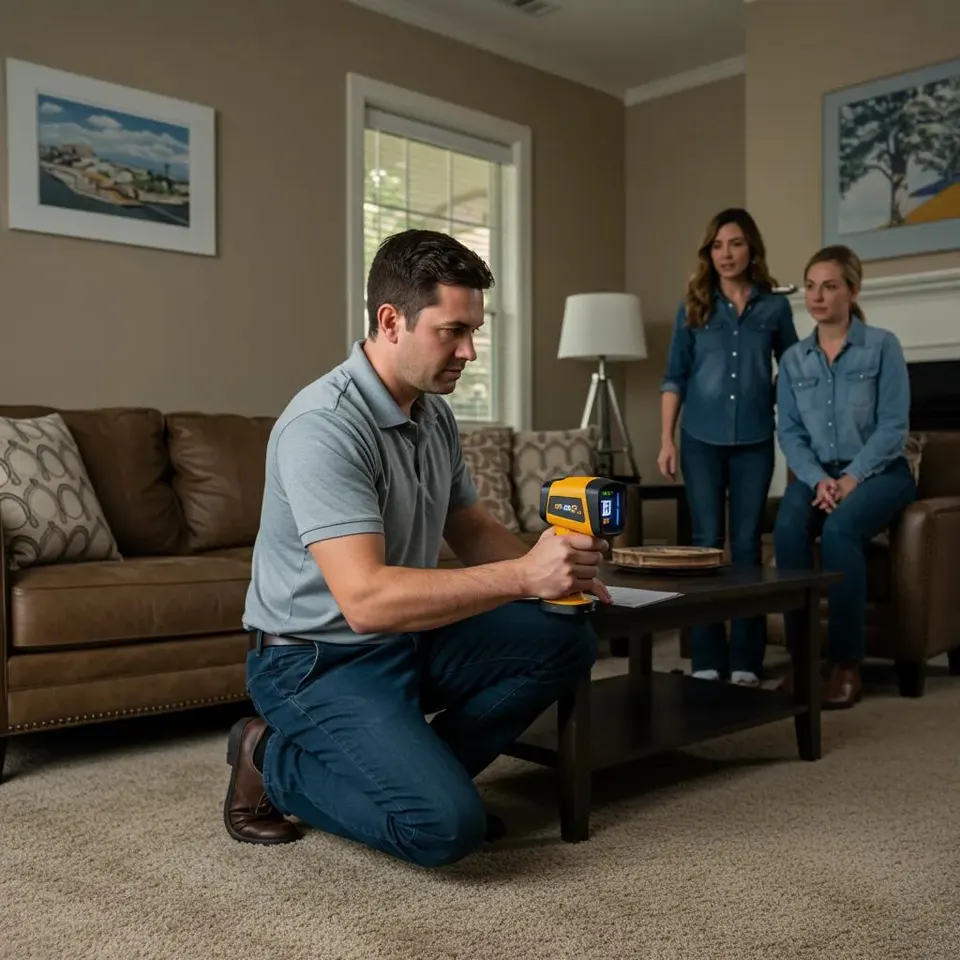
Buyers should attend, follow the inspector, take notes, and ask clarifying questions about maintenance, safety, and repair urgency. Bring a checklist to track observations, focusing on high-priority systems like roof drainage, foundation cracks, electrical panels, and water intrusion. Ask the inspector to demonstrate system operation and differentiate normal wear from serious concerns. Active participation enhances understanding and aids negotiation.
How Much Does a Home Inspection Cost and Is It Worth the Investment?
For an inspection, review the published price guide and request a property-specific quote. For repairs or specialist work, obtain a written scope and estimate from the appropriate qualified professional.
What Factors Affect Home Inspection Pricing Near Me?
Price drivers include property size, age, location, system accessibility, and add-ons (radon, mold, sewer scopes). Inspectors in high-cost areas or with specialized certifications may charge premium rates. Older homes often incur higher fees due to deferred maintenance. Add-on tools like thermal imaging or drone inspections increase cost but offer greater diagnostic value. Understanding these factors helps interpret quotes and choose the right inspection scope.
Why Is Hiring a Reliable Home Inspector Worth the Cost?
A reliable inspection often pays for itself by revealing repair priorities and safety hazards, saving buyers money or providing negotiation leverage. Most buyers obtain inspections, underscoring their value. Uncovering issues like hidden moisture or outdated wiring prevents costly emergency repairs and supports price adjustments. Beyond immediate savings, a comprehensive inspection provides a maintenance roadmap, extending home life and reducing long-term costs. Treat inspection fees as risk management, strengthening purchase decisions and homeowner preparedness.
- Confirm what the report includes, what the inspection covers and when findings will be delivered.
- Verify credentials: Confirm association membership or state licensing and insurance coverage.
- Compare multiple quotes: Evaluate scope and add-on pricing, not just the lowest fee.
EAV Table: Inspection Type Pricing and Inclusion Summary
Compare the purpose and limits of each service before adding testing. A visual inspection and any separately agreed specialist evaluation answer different questions; neither guarantees discovery of every concealed defect.
1. What should I do if the home inspection reveals significant issues?
If significant issues are found, negotiate with the seller for repairs or a price adjustment. You may also choose to walk away if issues are too severe. Always consult your real estate agent to understand your options and make informed decisions.
2. How can I prepare for a home inspection?
Ensure all areas (attics, basements, crawl spaces) are accessible and clear of clutter. Gather relevant documents like previous reports. Be ready to ask questions during the inspection to gain insights into the property’s condition and maintenance needs.
3. Are home inspections required by law?
Home inspections are not legally required in most states but are highly recommended. They identify potential issues before purchase. Some lenders may require them, especially for older homes. While not mandatory, an inspection is a wise investment to protect your financial interests.
4. How do I choose between a standard inspection and specialized inspections?
Choice depends on property age, condition, and concerns. A standard inspection covers major systems for most homes. For older properties or known issues, consider specialized inspections like radon or mold testing. Discuss your needs with your inspector.
5. What happens if the inspector misses a significant defect?
If a significant defect is missed, disputes regarding liability may arise. Most inspectors carry errors-and-omissions insurance. If you discover a major issue post-inspection, review the report and consult the inspector. You may file a claim against their insurance if negligence is proven.
6. Can I attend the home inspection, and should I?
Yes, you should attend. Being present allows you to ask questions, gain firsthand insights into the property’s condition, and understand findings. It’s an opportunity to learn about maintenance and potential issues, enhancing your understanding for informed decisions.
7. How long after the inspection will I receive the report?
Expect the inspection report within 24 to 72 hours. It will include detailed findings, photographs, and recommendations for repairs or further evaluations, providing information for informed decisions.