
KNOW THE HOME. PLAN YOUR NEXT STEP.
Shingle Roof Concerns Florida Homeowners Should Understand
Learn what visible shingle-roof concerns can mean, what an inspection cannot establish and how to plan qualified roofing follow-up safely.
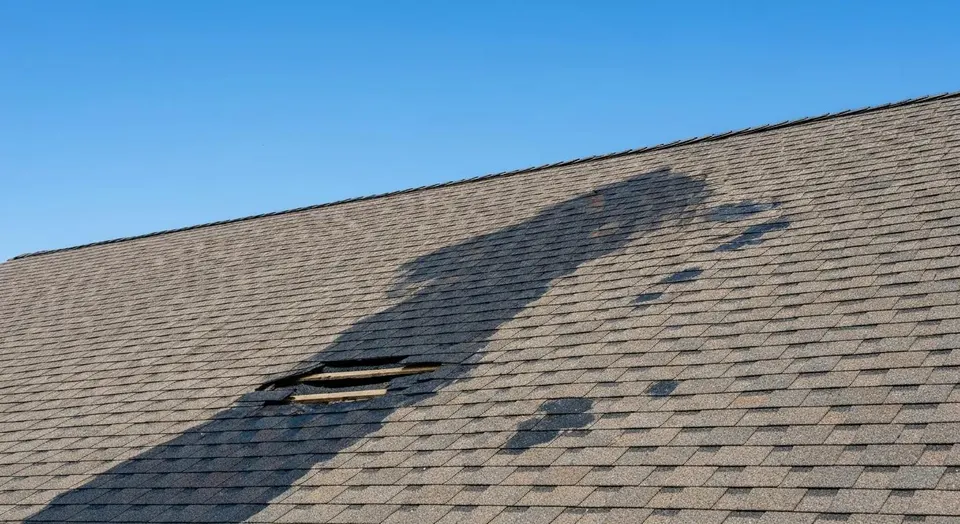
Your roof is part of the home you rely on every day. Visible wear, staining or a past repair can raise useful questions, but a photograph or the roof’s age alone does not tell you its full condition or remaining life.
A home inspection can document accessible roof observations and recommend further evaluation. It cannot guarantee that every leak or concealed defect will be found.
Which observations deserve a closer look?
- Missing or damaged shingles: ask a qualified roofer about the extent of the condition and appropriate work.
- Flashing and penetrations: visible concerns around joints, vents and transitions may need specialist evaluation.
- Interior staining: record the location and known history. A stain alone may not establish an active leak or its source.
- Drainage and debris: note accessible observations and ask about maintenance that can be completed safely.
- Prior repairs: gather available invoices, permits and warranty information to help frame the inspection questions.
Can an inspection identify hidden roof problems?
Only accessible conditions can be examined within a visual inspection. Underlayment, covered connections and concealed decking may not be visible. Weather, access and roof condition can also limit the inspection method. The report should identify relevant limitations and recommended follow-up.
Images from the ground or a drone may add useful context when used within the agreed scope, but they are not proof that concealed components are sound. Invasive testing or investigation requires separate arrangements.
Does an older roof always need replacement?
No single age threshold answers that question for every roof. Material, installation, maintenance, exposure and current condition all matter. Ask a qualified roofer about repair or replacement recommendations for this property. A generic life-expectancy range cannot predict an exact failure date.
Insurance underwriting is a separate decision. Ask your insurance agent what documentation the carrier requires and how the observed condition affects your application or policy. An inspection does not guarantee acceptance, a premium or payment for a future claim.
How much might a repair cost?
Cost depends on the location and extent of the concern, materials, access, concealed conditions and proposed work. Get written local estimates after the roof has been evaluated. Do not treat a generic online range as a repair quote or assume that patching visible damage resolves its cause.
What can I prepare safely?
Gather records and describe any past leaks or storm-related concerns. Note observations from an accessible location without climbing onto the roof or entering unsafe areas. Roofing work and investigation of possible electrical or structural hazards belong with qualified professionals.
If there is an active problem, seek appropriate help promptly rather than waiting for a routine sale or maintenance appointment. If you are buying, share your inspection deadline and allow time to review any roofing recommendation with your agent.
Explore Pre-Purchase Inspection. If your insurer has requested a focused report, share the request with our team so we can help identify the service you need.
Editorial review: September 12, 2026