
KNOW THE HOME. PLAN YOUR NEXT STEP.
Choosing a Builder’s Warranty Inspection Company
Choose an inspector for a builder’s warranty deadline, document observed concerns and prepare a clear builder conversation without assuming warranty coverage.
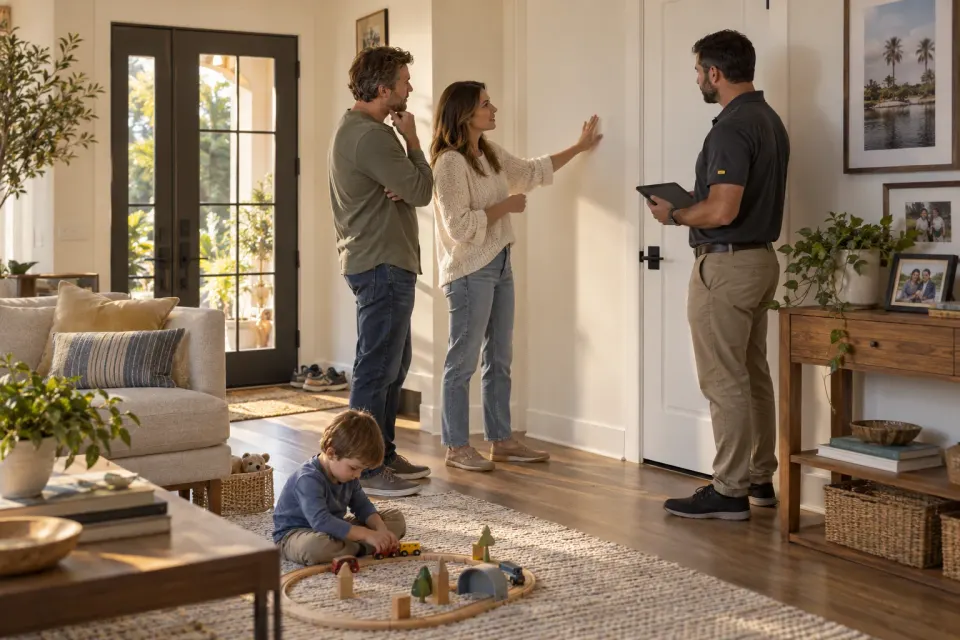
Once you have lived in a new home for a while, questions may emerge about how it performs day to day. A Builder’s Warranty Inspection gives you a documented view of accessible conditions to discuss with your builder before the relevant deadline.
Often called an 11-month inspection, it should be scheduled around the dates and notice requirements in your own warranty documents. Do not assume that every component has the same coverage period or that booking an inspection extends a deadline.
What should I look for in an inspection company?
- A clear scope: understand the systems covered, access requirements, limitations and what specialist testing would be separate.
- Relevant qualifications: verify the provider’s license and experience for the work being offered.
- Usable documentation: ask how observations, photos and recommendations are presented and how to ask questions afterward.
- A workable schedule: confirm appointment and report timing with enough room to follow your warranty’s submission process.
- A property-specific quote: understand included services and additional charges before confirming.
Reviews and professional credentials can inform your choice, but neither promises that all defects will be found or that a builder will accept a request.
What can a warranty inspection document?
The inspection examines visible, accessible installed components within the agreed scope. It can document observed operation, visible damage or conditions that merit further evaluation. Bring a list of concerns you have noticed, such as a sticking door, intermittent leak or room that feels different from the rest of the home.
Explain when each concern occurs and provide relevant photos or service records. A condition may not be present during the visit, so your history helps frame the questions. An inspection cannot guarantee discovery of concealed or intermittent defects and does not certify building-code compliance.
How do I prepare a builder request?
- Read the report and clarify recommendations with the inspector.
- Match each concern to its location, supporting photo and available history.
- Follow the submission instructions and dates in your warranty documents.
- Ask the builder for its response and proposed next steps in writing.
- Keep correspondence and any contractor or repair records together.
The report supports your discussion; it does not decide whether an item is covered, establish liability or require the builder to repair it. Where responsibility or contract terms are disputed, seek appropriate professional advice.
Does the inspection include a repair check?
Ask before booking. A later visit to review work is a separate scope unless expressly included in your quote. It can document accessible conditions at that time, but it cannot certify concealed work or guarantee future performance.
Plan before the deadline
Share your property details, warranty date and current concerns with DAMNGOOD. Confirm the appointment and report-delivery schedule, allowing time for the builder conversation and any recommended specialist evaluation.
Explore Builder’s Warranty Inspection or ask our team about your home and deadline.
Editorial review: September 12, 2026